 Menu
Menu

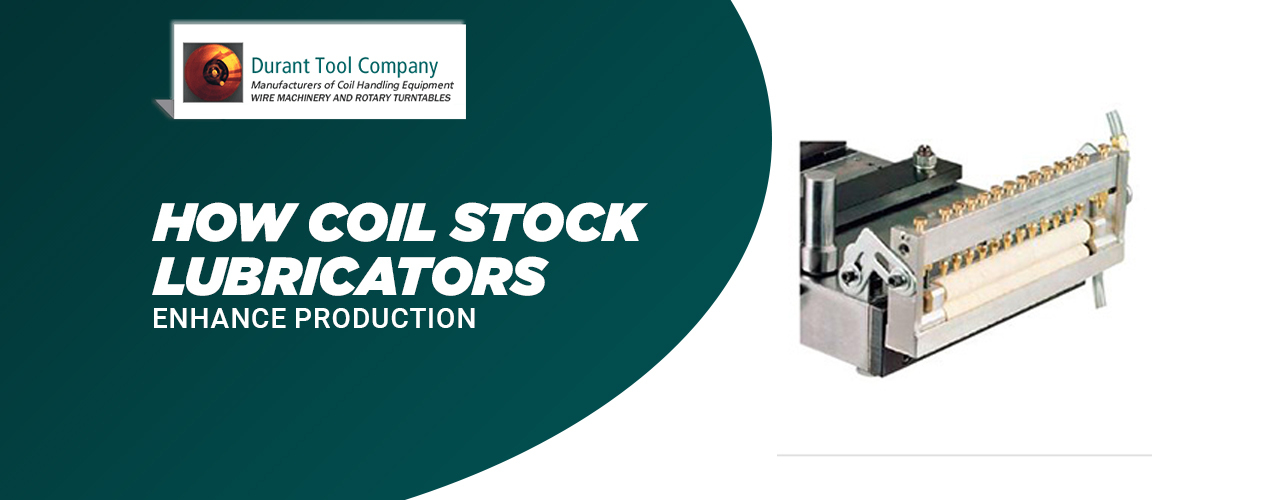
If you’re in the manufacturing or industrial field, you know the constant pressure to improve efficiency, maintain quality, and reduce downtime. It’s an ongoing challenge: how can you keep your operations running smoothly while cutting costs and meeting demanding client expectations? Sometimes, it’s not just the big machines or cutting-edge technology that make the difference—it’s the smaller, often overlooked components that can truly transform your process. Enter coil stock lubricators.
Sure, they may not have the spotlight like your large presses or high-precision cutting tools, but coil lubricators play a vital, behind-the-scenes role. Ensuring that your materials are fed smoothly and consistently helps you reduce friction, improve product quality, and keep your production line humming. In this post, we’ll explore how these lubricators work, why they matter, and how to find the right one for your unique operation.
What Are Material Coil Stock Lubricators—and Why Should You Care?
Picture a production line running coil after coil of metal: stamping, bending, or shaping each one into a finished part. Without proper lubrication, the metal can stick, drag, or cause unnecessary strain on your tools and machinery. Material coil stock lubricators are specialized devices that apply a precise layer of lubrication to your coil material as it feeds into the equipment. The idea is simple: less friction fewer hiccups.
When your line is well-lubricated, the material glides smoothly, reducing wear and tear on machines and improving the quality of your finished products. Material lubricators let you fine-tune how much lubricant is applied so you’re not overdoing it or leaving your material too dry. It’s a nuanced, adjustable approach that caters to the exact needs of your process.
The Real Impact: How Coil Lubricators Drive Efficiency
Imagine this scenario: You’re running a high-volume automotive parts line, and every time the coil feeds through, there’s just a tiny bit of snagging. It may not seem like a big deal at first, but over a day, a week, or a month, those tiny slowdowns add up. Eventually, they cost you valuable production time and maybe even some quality issues.
With coil lubricators for metal processing, you’re not just greasing the wheels—you’re smoothing out your entire operation. The coil moves effortlessly, the press or cutter doesn’t have to work as hard, and you get more consistent parts. Over time, you’ll see increased production efficiency with lubricators, as fewer unplanned stops mean you can hit your targets more easily and deliver on promises made to clients.
A More Tangible Benefit: Fewer Downtime Headaches
We’ve all been there: a jam occurs, the line halts, and your team scrambles to diagnose the issue. It might be a minor snag or a misalignment caused by friction on the material. Meanwhile, the clock is ticking, and orders aren’t getting filled. Industrial uses for coil stock lubricators help you prevent exactly these kinds of interruptions.
By controlling friction and ensuring the material feeds smoothly, these systems reduce unexpected stoppages. When downtime is minimized, you save not only on direct repair costs but also on the hidden expenses—lost productivity, rescheduling shipments, and even the morale dip that occurs when workers have to deal with repeated breakdowns. It’s about keeping things running so that the entire team can stay focused on producing great products.
Keeping Quality High: Better, More Consistent Outputs
Quality matters, especially if you’re working in sectors where customers demand precision—like automotive, aerospace, or specialty manufacturing. Without proper lubrication, the metal or material can heat up, warp, or experience small imperfections that compromise the final product.
With the right production line lubrication, you ensure that each piece of material is treated gently but efficiently as it moves through the process. The result? More uniform parts, tighter tolerances, and fewer rejects. Ultimately, that leads to happier customers, stronger relationships, and a reputation for reliability you can leverage in future business deals.
Versatility Across Industries
Don’t fall into the trap of thinking this only matters for heavy-duty steel processing. Industrial uses for coil stock lubricators span a wide range of materials and sectors. From thick steel coils in construction equipment manufacturing to thinner, delicate metals used in electronics or medical device components, proper lubrication adapts to the demands of your material and line speed.
For instance, if you’re working with a mix of materials—some thick and tough, others thin and delicate—material coil stock lubricators with adjustable settings can let you quickly adapt. Today, you might be processing heavy-gauge steel for automotive frames, and tomorrow, you might switch to a lighter alloy for precision parts. The lubricator ensures you’re always operating at peak performance.
A Subtle Transformation: Before and After Lubrication
Picture another real-life scenario: A production manager at a metalworking plant dealt with frequent stops on a line producing custom brackets. The metal sometimes stuck, causing feeding issues and forcing the team to pause and manually adjust the coil every few hours. After installing a lubrication system, those interruptions became rare. The line ran more predictably, staff felt less stressed, and output targets were not only met but sometimes exceeded. All it took was adding a simple, well-chosen lubrication solution to keep things on track.
What to Consider When Choosing a Coil Lubrication System
Not all coil lubrication systems are created equal. When you’re shopping around, consider:
- Material Type & Thickness: Different materials and gauges need different lubrication strategies. A thick steel coil may need more lubricant than a thin sheet of aluminum.
- Production Speed: High-speed lines require fast, efficient lubrication that doesn’t slow down your throughput.
- Adjustability & Control: Look for systems that let you tweak settings easily. You’ll appreciate the flexibility when you switch materials or encounter production changes.
- Vendor Expertise & Support: Work with a supplier who understands your industry and can guide you to the right solution. Good advice now can save you plenty of hassle later.
Future-Proofing Your Operation
As manufacturing evolves, new materials and processes continually emerge. Having a reliable lubrication system means you’re better prepared for these changes. Instead of investing in new equipment each time you tweak your lineup, you can adjust the lubrication settings and keep production flowing smoothly.
When your operation can adapt quickly without sacrificing quality or speed, you’re giving yourself a competitive edge. Clients notice when orders arrive on time and meet spec—every single time.
Conclusion
In a world where efficiency and quality can make or break your reputation, coil stock lubricators, coil lubricators, material coil stock lubricators, and material lubricators provide a simple yet powerful way to keep your operation running at its best. They reduce friction, increase consistency, and help you avoid costly downtime. Over time, this means higher productivity, better products, and more satisfied customers.
For a more in-depth look at tailored coil lubrication solutions that fit seamlessly into your existing processes, we encourage you to explore what Durant Tool Company can offer. Our dedicated team of specialists stands ready to help you refine your production line strategy, enhance operational efficiency, and realize sustainable long-term improvements.


