 Menu
Menu

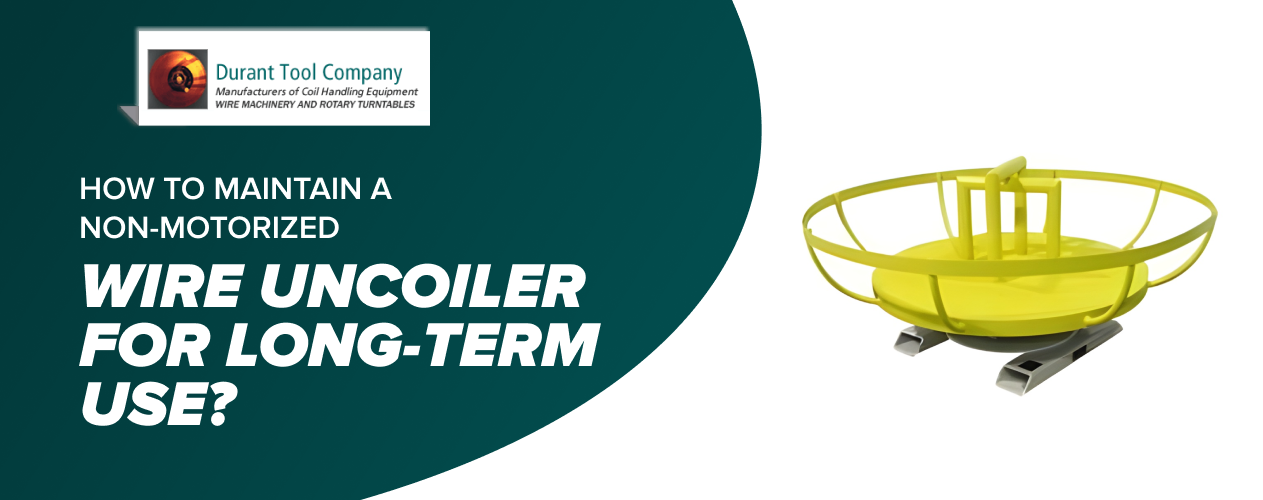
A non-motorized wire uncoiler is a manually operated device used to hold and feed wire in manufacturing environments. While it doesn’t rely on electricity or motors, it still plays a key role in maintaining production flow. Keeping it in working condition is essential.
Regular non-motorized wire uncoiler maintenance improves efficiency, reduces the risk of costly downtime, and extends the machine’s lifespan. For shop floor teams, this means smoother feeding, fewer tangles, and fewer wire-related mishaps.
Key Components to Maintain
Understanding which parts need care is the first step to effective industrial wire uncoiler care. Here’s a quick overview:
- Turntable: This rotating base holds and spins the wire coil. Any friction or imbalance affects wire feeding.
- Tension Brakes: Controls how easily the coil unwinds. Poor brake tension can cause jerks or slack.
- Spindle: Hold the wire in place. Misalignment leads to uneven feeding.
- Frame: Supports the whole machine. Loose bolts or rust here can cause wobbling or instability.
- Coil Holder: Keeps the coil secure. If bent or worn, it may shift or uncoil unexpectedly.
Each part contributes to reliable operation, ignoring even one can lead to larger issues down the line.
Cleaning Your Wire Uncoiler
Routine cleaning prevents grime buildup and keeps the unit functioning smoothly. Follow this wire uncoiler cleaning guide to maintain cleanliness and performance:
Step-by-Step Cleaning Instructions:
- Wipe down surfaces daily using a dry cloth to remove dust, grease, and debris.
- Use compressed air to clean inside gaps, brake surfaces, and spindle joints.
- For sticky or oily areas, apply a mild degreaser, not harsh chemicals that could harm components.
- Dry all surfaces completely to prevent rust, especially after degreasing.
Recommended Frequency:
- Daily: Surface and debris cleanup
- Weekly: Brake and spindle detailing
- Monthly: Full deep clean and inspection
Following this guide as part of your team’s shift-end process reduces long-term wear and enhances equipment reliability.
Lubrication: When and How
Even manual systems rely on smooth movement, and uncoiler machine lubrication is key to that. Done right, it reduces wear and improves performance.
Parts Requiring Lubrication:
- Turntable axle and bearings
- Brake adjustment mechanism
- Spindle joints and pivots
Best Practices:
- Use light industrial-grade lubricant or bearing oil.
- Apply sparingly, excess can attract dust and debris.
- Wipe off all residue after lubrication.
- Avoid spraying directly onto exposed brake pads or friction discs.
Proper lubrication once a week prevents squeaks, drag, and metal-on-metal friction, all of which shorten your uncoiler’s service life.
Adjusting the Tension Brakes
The tension brake is what controls how quickly the wire uncoils. Mastering tension brake adjustment for a wire uncoiler is crucial to avoid slack or sudden wire jumps.
How It Works:
- Adds friction to slow the turntable, especially during sudden speed changes.
- Prevents the wire from becoming loose or tangled during pauses in downstream processing.
How to Adjust:
- Manually rotate the turntable and observe the wire payout.
- If the wire unspools too fast, increase brake tension until the wire feeds smoothly.
- If too tight, loosen tension slightly; this prevents strain on the wire and feeder.
Frequent product changes or wire types may require brake adjustments between batches, so build this into your operator SOPs.
Inspecting the Turntable and Frame
Over time, constant loading and wire pulling can cause loosening, vibration, or wobble. These affect both safety and wire feeding quality.
How to Inspect:
- Spin the turntable: Does it rotate evenly? Any wobble?
- Check the frame: Tighten all fasteners and mounting bolts.
- Look for rust or corrosion, especially in weld joints or baseplates.
Addressing these early ensures structural integrity and prevents misalignment. If you’re unsure whether something’s off, refer to your operator manual or call in expert wire uncoiler troubleshooting support.
Proper Storage Tips
Storing your uncoiler properly when not in use can prevent avoidable wear and environmental damage.
- Cover with a tarp or dust sheet to prevent the accumulation of particles.
- Store indoors, away from direct sunlight or moisture.
- Loosen the tension brake during storage to prevent unnecessary spring compression.
These small habits go a long way in preserving your equipment between jobs or during production breaks.
Common Mistakes to Avoid
Even experienced operators can make errors that reduce the life of the machine. Here are common mistakes to steer clear of:
- Skipping regular cleaning: Leads to debris buildup and friction.
- Over-tightening brake: Can stress internal components and distort wire shape.
- Using the wrong lubricant: May damage rubber, brake pads, or bearings.
- Neglecting signs of wobble: Indicates deeper structural issues.
These avoidable issues can lead to bigger, and costlier, problems. Following smart wire uncoiler maintenance tips helps you stay ahead.
When to Seek Professional Help
Sometimes, problems can’t be solved with basic maintenance. If you notice:
- Unusual noise during rotation
- Persistent wire feeding issues
- Brake slippage despite adjustment
- Visible damage or warped spindles
It’s time to bring in expert help. Durant Tool Company offers full service and support for all of its wire uncoiler machines, including spare parts and on-site servicing.
For any unresolved issue, don’t hesitate to contact Durant Tool Company.
Conclusion
Sticking to a routine of non-motorized wire uncoiler maintenance is one of the smartest things you can do for your operation. From cleaning and lubrication to brake adjustments and bolt checks, these small steps yield significant returns in terms of uptime, quality, and cost savings.
Looking for a reliable, low-maintenance solution?
Explore Durant’s full range of wire handling equipment, designed with ease of maintenance and industrial durability in mind.
Need help with your current setup? Contact our team today for expert advice and unmatched support in everything from how to maintain a wire uncoiler to ordering durable replacements.


